AeroBarrier in Action: Improving Air Tightness in Saudi Properties
Why Air Tightness Matters in Saudi Arabia
In Saudi Arabia’s hot climate, cooling accounts for a large share of a building’s energy consumption. Even the smallest gaps in walls, ceilings, windows, or ductwork can allow cooled air to escape, forcing HVAC systems to work harder. This not only drives up energy bills but also increases CO₂ emissions from power generation. Improving air tightness is one of the most effective ways to cut energy waste and AeroBarrier is changing how it’s done.
What Is AeroBarrier?
AeroBarrier is an advanced air sealing technology that uses a pressurized mist of non-toxic sealant to automatically find and close leaks, even in hard-to-reach places. Unlike traditional sealing methods that require manual application, AeroBarrier works from the inside out, sealing gaps as small as 0.3 millimeters with pinpoint accuracy.
How AeroBarrier Works
- Preparation – Technicians pressurize the building using specialized equipment.
- Mist Application – The sealant is released into the pressurized space, where it’s drawn to leaks.
- Automatic Sealing – The mist collects at gaps and cracks, sealing them without covering surfaces.
- Verification – Real-time monitoring ensures the building meets the desired air tightness level.
This process typically takes only a few hours and causes minimal disruption to occupants.
Benefits for Saudi Properties
1. Lower Energy Bills
By reducing air leakage, cooling systems run more efficiently, cutting electricity use by up to 30%.
2. Improved Comfort
Airtight buildings maintain more consistent temperatures, eliminating hot and cold spots.
3. Healthier Indoor Air
Better sealing reduces dust, allergens, and pollutants entering from outside.
4. Reduced Carbon Footprint
Less energy use means fewer CO₂ emissions aligning with Saudi Arabia’s Vision 2030 sustainability goals.
Where AeroBarrier Makes the Biggest Impact
- New Constructions – Ensuring airtightness before occupancy maximizes efficiency from day one.
- Renovations – Sealing older buildings can drastically improve performance without major structural changes.
- Commercial Properties – Offices, hotels, and retail spaces benefit from lower operating costs and improved comfort.
AeroBarrier and Saudi Vision 2030
As the Kingdom works toward reducing energy consumption and improving environmental standards, technologies like AeroBarrier offer a practical solution. They help property owners meet new building codes, reduce operating costs, and contribute to national sustainability targets.
Frequently Asked Questions
- Is AeroBarrier safe for people and pets?
Yes. The sealant is water-based, non-toxic, and certified as safe for indoor environments.
- How long does the sealing process take?
Most projects are completed in just a few hours, depending on the property size.
- Can AeroBarrier be used in existing buildings?
Absolutely. It works in both new and existing properties with minimal disruption.
- Does AeroBarrier require ongoing maintenance?
No. Once applied, the seal is durable and designed to last for the life of the building.
- How much energy can I save with AeroBarrier?
Savings vary, but many property owners see a 15–30% reduction in cooling costs.
How Leaky Buildings Drive Up CO₂ Emissions – and What You Can Do About It
The Hidden Cost of Building Leaks
When we think about cutting CO₂ emissions, the conversation often focuses on renewable energy or efficient appliances. But there’s a silent contributor that’s often overlooked: leaky buildings. In Saudi Arabia, where cooling systems run for most of the year, gaps in walls, windows, roofs, and ductwork can allow conditioned air to escape forcing HVAC systems to work harder and consume more electricity. More energy use means more carbon dioxide released into the atmosphere.
Why Air and Energy Leaks Matter for the Environment
A leaky building is not just a comfort issue it’s an environmental one. Every kilowatt-hour of wasted electricity increases the demand on power plants, many of which still rely on fossil fuels. The result? Higher greenhouse gas emissions and a larger carbon footprint. Even minor leaks, when multiplied across thousands of homes and offices, can have a massive environmental impact.
Where Leaks Happen
Leaks can occur in multiple parts of a building:
- Air Ducts – Loose connections, holes, or cracks let cool air escape into unused spaces.
- Windows & Doors – Poor sealing allows outside heat to enter and cooled air to leave.
- Walls & Roofs – Insufficient insulation leads to constant temperature loss.
- Electrical & Plumbing Penetrations – Small gaps around pipes and wires add up over time.
The Link Between Energy Waste and CO₂ Emissions
In Saudi Arabia, much of the electricity used for cooling is generated from fossil fuels. That means every extra kilowatt used due to leaks produces avoidable carbon emissions. For example, sealing ductwork alone can reduce energy waste by up to 30%, a change that directly cuts CO₂ output.
How to Fix the Problem
The good news is that solutions exist, and many are quick to implement:
- Professional Duct Sealing – Technologies like Aeroseal Arabia can locate and seal hidden duct leaks without major disruption.
- Weatherproofing – Adding or replacing seals around windows and doors prevents unwanted air exchange.
- Improved Insulation – Upgrading wall and roof insulation helps maintain indoor temperatures with less energy.
- Regular Maintenance – Routine inspections of HVAC systems and building envelopes keep efficiency high.
Supporting Saudi Arabia’s Sustainability Goals
Saudi Arabia has committed to ambitious energy efficiency targets as part of its Vision 2030 plan. Building owners who take steps to seal leaks and improve energy performance not only save on utility costs but also contribute to the Kingdom’s long-term environmental objectives.
Frequently Asked Questions
- How do building leaks increase CO₂ emissions?
They force HVAC systems to work harder, using more electricity. Since much of the electricity is generated from fossil fuels, more energy use means higher carbon emissions.
- What’s the fastest way to reduce leaks in a building?
Start with an energy audit to identify problem areas, then seal air ducts, improve insulation, and weatherproof openings.
- How much can I save by sealing leaks?
Depending on the extent of the leaks, you could cut cooling costs by 15–30%, while also reducing your building’s carbon footprint.
- Is duct sealing worth it in Saudi Arabia?
Yes. With the high demand for cooling, duct sealing pays off quickly in both cost savings and environmental benefits.
- Can sealing leaks help with indoor comfort?
Absolutely. A well-sealed building maintains a consistent temperature, reduces hot and cold spots, and keeps out dust and pollutants.
Aeroseal Arabia and HT Materials Science Join Forces to Elevate Thermal Efficiency in Saudi Arabia
Saudi Arabia – July 2025 – A new agreement between Aeroseal Arabia and global technology company HT Materials Science (HTMS) is set to introduce Maxwell® nanofluid technology to Saudi Arabia, unlocking a new era of advanced thermal efficiency for HVAC and industrial cooling systems.

This partnership brings the implementation of Maxwell® to the Kingdom, enabling significant energy savings across a wide range of infrastructure types. The nanofluid, developed and patented by HTMS, enhances heat transfer performance by up to 15%. It is a non-toxic, recyclable, and retrofit-friendly additive that improves the thermal capacity of closed-loop systems—without requiring shutdowns, equipment changes, or capital-intensive upgrades.

“This agreement reflects our commitment to enabling forward-looking solutions that improve energy performance, align with local sustainability objectives, and help move Saudi Arabia closer to its Net Zero ambitions,” said Fadi Shora, Managing Director of Aeroseal Arabia, “Maxwell® is a practical, high-impact innovation that delivers both operational efficiency and environmental responsibility.”
With cooling systems representing a significant share of regional energy consumption, nanofluid technology offers an effective, low-disruption pathway toward decarbonization—aligning closely with Saudi Arabia’s Vision 2030 and Net Zero 2060 roadmap. The solution is applicable across a wide range of sectors including commercial buildings, industrial facilities, data centers, hospitals, and district cooling networks.
Through this collaboration, Aeroseal Arabia brings a new layer of energy optimization to its solutions, offering enhanced thermal performance for HVAC and cooling systems across diverse sectors.
This partnership marks another milestone in Aeroseal Arabia’s ongoing mission to provide practical, impactful retrofits addressing the Kingdom’s evolving energy and sustainability challenges.
Sealing the Invisible: How Air Duct Leaks Are Wasting Energy in Saudi Buildings
Why Air Duct Leaks Are a Hidden Energy Problem
In Saudi Arabia, air conditioning systems work harder than almost anywhere else in the world due to extreme heat. While building owners often focus on upgrading HVAC equipment, one of the biggest sources of energy waste remains hidden air duct leaks. These leaks allow conditioned air to escape into unoccupied spaces before it reaches the intended rooms. The result is higher electricity bills, reduced cooling performance, and increased strain on the HVAC system. Over time, these issues lead to higher maintenance costs and a shorter lifespan for the equipment.
How Air Duct Leaks Happen
Most air duct leaks occur in areas that are out of sight, such as behind walls, above ceilings, or in service corridors. Gaps, loose connections, and cracks in the ductwork allow cool air to leak into places where it is not needed. In a climate like Saudi Arabia’s, even small leaks can waste a significant amount of energy. The HVAC system must run longer to compensate, increasing wear and tear and driving up operational costs.
The Impact on Energy Efficiency
Air duct leakage is one of the main reasons why many buildings fail to achieve optimal energy performance. Research shows that leaky ducts can waste up to 30 percent of conditioned air. This inefficiency directly affects the building’s carbon footprint, as more energy is consumed to achieve the same level of comfort. For commercial buildings, this waste can translate into substantial financial losses every year.
Professional Duct Sealing Solutions in Saudi Arabia
Advanced solutions such as those offered by Aeroseal Arabia provide a reliable way to locate and seal duct leaks without major disruption. Using specialized technology, the sealing process works from inside the ducts, targeting every leak and ensuring a consistent, airtight system. This approach reduces energy waste, improves indoor comfort, and can lower cooling costs almost immediately after installation.
Supporting Saudi Arabia’s Sustainability Goals
With the Kingdom’s growing focus on energy efficiency and green building standards, duct sealing is becoming a necessary part of building maintenance. Properties that undergo professional sealing can improve their compliance with sustainability requirements and qualify for certifications such as LEED. In addition, sealed ducts contribute to better indoor air quality by preventing dust, pollutants, and allergens from entering the system.
Indoor Air Quality Benefits
Duct sealing not only conserves energy but also creates a healthier indoor environment. By preventing contaminants from entering the air supply, building occupants benefit from cleaner air and fewer health issues. This is especially important in sensitive environments such as hospitals, schools, and offices, where air quality directly impacts well-being and productivity.
Frequently Asked Questions
- How do I know if my air ducts are leaking
Common signs include uneven cooling, higher-than-usual energy bills, visible dust near vents, and weak airflow in certain rooms. A professional inspection can confirm the presence of leaks.
- How much energy can duct sealing save
Sealing air ducts can reduce energy loss by up to 30 percent, which means lower electricity costs and less strain on the HVAC system.
- Is duct sealing messy or disruptive
With modern solutions such as Aeroseal, the process is non-invasive and does not require tearing down walls or ceilings. It is clean, quick, and highly effective.
- Can duct sealing improve indoor air quality
Yes. By sealing leaks, you prevent dust, allergens, and pollutants from entering the air system, resulting in cleaner and healthier indoor air.
- Is duct sealing worth the investment in Saudi Arabia
Absolutely. With the extreme climate and high cooling demand, sealing ducts can quickly pay for itself through energy savings, improved comfort, and extended HVAC lifespan.
Understanding Fire Protection: The Importance of Ventilation Systems
Smoke inhalation, not burns, causes most fire-related deaths in buildings. This sobering fact expresses why proper fire protection must go beyond traditional firefighting equipment.
A detailed fire protection plan needs multiple layers of defense. Ventilation systems play a significant role in smoke control and life safety. Modern fire protection systems blend various components. These range from passive fire protection measures to advanced smoke control systems that create an integrated safety network. A building’s survival during a fire event depends on how well these systems work together.
Let’s explore how ventilation systems contribute to fire safety and get into the latest technologies in fire protection equipment. We’ll cover testing requirements and system integration with other fire safety solutions. This creates a complete fire protection plan that meets current safety standards.
Understanding Ventilation in Fire Protection
Understanding fire ventilation plays a vital role in effective fire protection systems. Fire ventilation controls the flow of air and smoke by directing harmful gasses outside while safe conditions remain inside.
Basic Principles of Fire and Ventilation
Fire protection’s fundamental principle centers on creating pressure gradients that maintain the highest pressure in escape routes. A fire in a confined space can reach [temperatures over 1,000°C](https://en.wikipedia.org/wiki/Ventilation_(firefighting) during flashover conditions. Proper ventilation helps prevent these extreme situations through smoke and heat management.
Types of Ventilation Systems for Fire Safety
Our team implements several ventilation systems to ensure detailed fire protection:
- Natural Ventilation Systems: Use thermal buoyancy of smoke
- Mechanical Smoke Systems: Use fans and mechanical equipment
- Mixed (Hybrid) Systems: Combine smoke exhaust and prevention
- Overpressure Systems: Focus on preventing smoke infiltration
Role of Air Flow in Fire Development
Air flow substantially affects fire behavior. Fire development relies on multiple factors such as ventilation (natural or mechanical), compartment geometry, and ambient conditions. Modern buildings with synthetic materials often create ventilation-limited fires. The way oxygen reaches the fire greatly influences its dynamics.
Our analysis of confined spaces shows that under-ventilated fires produce higher carbon monoxide and soot due to inadequate air intake. The position of admission ducts proves especially critical. Low-position ducts can create more severe fire growth rates because of improved air flow towards the fire base, particularly with increased air changes per hour.
Modern Ventilation Technologies for Fire Safety
Technology has improved ventilation system capabilities by a lot in modern fire protection. We have witnessed remarkable changes in system detection and response to fire incidents.
Smart Ventilation Control Systems
Our advanced control systems automatically adjust ventilation settings based on up-to-the-minute conditions. These systems clear smoke effectively to improve visibility in fire zones. They supply fresh air and lower temperatures in affected areas. Our modern solutions have variable frequency drives that adjust fan speeds based on actual needs. This optimizes energy use and safety performance.
Automated Smoke Detection Integration
Sophisticated detection features merge with our ventilation systems seamlessly. The latest technology has multi-sensor devices that identify fires under different conditions. The VESDA-E™ system stands out as a notable advancement. It samples air actively to detect trace amounts of smoke and enables early intervention before situations worsen. The system’s unique five-in-one sensor monitors critical indoor air quality parameters.
IoT-Based Monitoring Solutions
Our IoT-based fire protection solutions offer complete 24/7 monitoring capabilities. These systems link various sensing devices through advanced communication networks to enable:
- Up-to-the-minute monitoring of fire safety facilities
- Early detection and warning capabilities
- Immediate alert transmission to responsible personnel
- Remote system status monitoring
These IoT solutions excel at gathering and analyzing data from multiple sources. The sources include wireless gas alarms, pressure collectors, temperature sensors, and smoke detectors. The system sends automatic alerts through multiple channels when it detects abnormal conditions. Alerts go out as phone calls, text messages, and voice reminders.
Integration with Building Fire Safety Systems
Our years in fire protection systems have taught us that integrating safety components is a vital part of building safety. The coordination of these systems demands close attention to technical specifications and operational requirements.
Coordination with Fire Alarm Systems
Fire alarm systems combine smoothly with HVAC systems through dry-contact-type relays. Each system performs its specialized function – fire alarms detect and notify while HVAC manages air quality. Safety standards require fire alarm control units to be within 3 feet of the controlled circuit or appliance.
Sprinkler System Integration
Experience shows that sprinkler systems and smoke control ventilation must work together. A well-integrated sprinkler system delivers 87.5% to 91% more effective coverage with smoke ventilation than without. These integration points are the foundations of our implementation:
- Water flow detectors in wet pipe systems
- Pressure sensors in dry pipe systems
- Tamper switches on control valves
- Monitored valve position indicators
Emergency Power Supply Requirements
Emergency power systems meet strict safety standards. Secondary power activates within 30 seconds of primary power failure. Level 1 systems in healthcare facilities comply with the 96-hour fuel capacity requirement. This requirement can be met through reliable supply planning instead of on-site storage.
The system prioritizes power distribution effectively. Level 1 loads receive power first, followed by Level 2 loads, and finally optional loads. This coordination creates a strong fire protection system that responds quickly during emergencies.
Testing and Certification Requirements
Testing and certification are the foundations of reliable fire protection systems. Our experience shows that following international standards will give consistent performance in safety components of all types.
International Safety Standards
Fire protection systems must meet several important standards:
- EN 1363-1: General fire resistance test requirements
- EN 1366-1: Ventilation duct fire resistance testing
- EN 12101: Smoke and heat control systems testing
- BS 476: Building materials fire test standards
System Performance Testing Protocols
Our rigorous testing ensures system reliability. Level I certification needs a minimum of 6 months of experience with fire detection systems. Higher levels have stricter requirements – Level III needs at least 5 years of experience with 45 months specifically in fire alarm systems.
Maintenance and Inspection Guidelines
The maintenance schedule follows strict protocols. Weekly tests cover all fire detection systems and control panel indicators. Monthly checks include all public address systems and fire door controls. Sprinkler systems get annual servicing, and all steel cylinders need hydraulic testing every five years.
Detailed inspection records must stay on board or in computer-based systems. Specialized technicians must provide detailed inspection reports after completing maintenance. Automatic sprinkler system’s water quality gets special attention with regular testing and maintenance that follows manufacturer guidelines.
Conclusion
Fire protection systems just need close attention to ventilation, modern technology integration, and thorough testing protocols. Our research shows proper ventilation is the life-blood of building safety. This can mean the difference between life and death during fire emergencies.
Here are the core aspects of modern fire protection:
- Smart ventilation control systems that react on their own to changing conditions
- Advanced smoke detection technology that works with IoT monitoring
- Smooth coordination between safety components
- Complete testing and certification requirements that keep systems reliable
Success in fire protection comes from this layered approach. Buildings today need ventilation systems that blend with sprinklers, alarms, and emergency power supplies. Systems perform best with regular testing, maintenance, and compliance with international standards.
Building owners and safety experts must keep up with new technologies and standards in fire protection. These systems do more than protect property – they save lives. Everyone involved in building safety and management should prioritize proper implementation and maintenance.
FAQs
Q1. How does ventilation contribute to fire safety in buildings?
Ventilation plays a crucial role in fire safety by controlling the flow of air and smoke. It helps direct harmful gasses outside while maintaining safe conditions inside, manages smoke and heat levels, and can prevent extreme temperature situations. Proper ventilation systems create pressure gradients, keeping escape routes at the highest pressure for occupant safety.
Q2. What are the different types of ventilation systems used for fire protection?
There are several types of ventilation systems used in fire protection: natural ventilation systems that utilize thermal buoyancy of smoke, mechanical smoke systems that employ fans and equipment, mixed (hybrid) systems that combine smoke exhaust and prevention, and overpressure systems that focus on preventing smoke infiltration.
Q3. How do modern technologies enhance fire protection ventilation systems?
Modern technologies have significantly improved ventilation systems for fire protection. Smart ventilation control systems automatically adjust based on real-time conditions, while automated smoke detection integration, such as the VESDA-E™ system, can identify fires early. IoT-based monitoring solutions provide 24/7 surveillance, enabling real-time monitoring, early detection, and immediate alert transmission.
Q4. Why is it important to integrate ventilation systems with other fire safety components?
Integration of ventilation systems with other fire safety components, such as fire alarms, sprinklers, and emergency power supplies, is crucial for comprehensive building safety. This coordination ensures that each system performs its specialized function effectively. For example, when properly integrated, sprinkler systems show significantly more effective coverage with smoke ventilation than without.
Q5. What are the key testing and maintenance requirements for fire protection systems?
Fire protection systems require rigorous testing and maintenance to ensure reliability. This includes weekly testing of fire detection systems, monthly inspections of public address systems and fire door controls, and annual servicing of sprinkler systems. Adherence to international safety standards, such as EN 1363-1 and EN 12101, is essential. Detailed records of all inspections must be maintained, and specialized technicians should provide comprehensive reports upon completion of maintenance work.
How to Enhance Commercial Spaces with Energy-Efficient Airflow Solutions
Did you know that commercial buildings waste up to 30% of their energy consumption through inefficient airflow systems?
Commercial space management faces a critical challenge today. Traditional ventilation solutions fail to meet modern efficiency standards. Poor airflow raises energy bills and impacts indoor air quality. It reduces employee productivity and affects the building’s overall performance.
This piece will help you reshape the scene of commercial spaces with energy-efficient airflow solutions. You will get into the newest ventilation technologies and implementation strategies. The content guides you through proven methods to measure return on investment. Managers of retail spaces, office buildings, or industrial facilities will find practical steps to optimize their HVAC systems and reduce operational costs.
Understanding Modern Airflow Requirements in Commercial Spaces
The digital world of commercial ventilation requirements keeps evolving. Businesses have changed their approach to airflow management. Studies show that 3 million sick days are taken each year in the UK because of poor air quality.
Current Challenges in Commercial Ventilation
Our work with commercial spaces shows the biggest problem is finding the right balance between air quality and energy efficiency. Large spaces need huge amounts of air. This becomes complex when different areas have unique usage patterns. Modern HVAC systems must handle:
- Multiple zone requirements with different cooling needs
- Constant air quality monitoring and adjustment
- Integration with existing building infrastructure
- Energy consumption optimization
Impact of Poor Airflow on Business Operations
Poor ventilation takes a toll on business performance. Research proves that cognitive ability drops by 40% when air quality is bad. On top of that, businesses lose about £550 per employee annually due to air quality-related problems.
Regulatory Standards and Compliance Requirements
Current regulations state that all but one of these occupancy types must keep minimum ventilation rates during occupied periods. The ASHRAE standards need specific attention for:
Commercial spaces must provide no less than the area component of minimum ventilation rates when occupied. Demand-controlled ventilation zones must adjust breathing zone outdoor airflow based on current population levels.
Energy efficiency standards have become tougher. Buildings must have modulating control and energy reclaiming systems when outdoor airflow goes beyond specified ranges. Buildings now use about 40% of total energy.
Advanced Energy-Efficient Ventilation Technologies
The latest state-of-the-art ventilation technologies are transforming how we manage commercial spaces. Our work with these groundbreaking solutions reveals three approaches that deliver results by a lot.
Smart Ventilation Control Systems
AI-based control systems we installed optimize HVAC operations through continuous data analysis. These smart systems cut energy consumption by 15-35% and keep comfort levels optimal. Our monitoring reveals these systems shine at:
- Up-to-the-minute air quality tracking
- Predictive maintenance alerts
- Automated temperature adjustments
- Remote operation capabilities
Heat Recovery Ventilation Solutions
Heat recovery ventilation (HRV) systems have become game-changers in our installations. These systems recover up to 96% of heat from extracted air, which makes them super efficient. HRVs cut the number of air changes per hour by about 50%, which leads to a 65% reduction in energy loss.
Demand-Controlled Ventilation Systems
Demand-controlled ventilation (DCV) systems get us excited because they adjust ventilation rates automatically based on actual occupancy. Data from our Norwegian school installations shows DCV systems cut energy consumption by 62% compared to constant air volume systems. These systems work best in spaces larger than 500 square feet with a design occupancy of 25 or more people per 1000 square feet.
Our commercial clients’ buildings typically lose about 30% of heat through ventilation. The integration of these advanced technologies helps businesses cut their energy footprint by a lot while keeping air quality top-notch.
Implementation Strategies for Optimal Airflow
Our hands-on experience shows that airflow optimization works best with a systematic approach that combines a full picture, careful integration, and ongoing monitoring.
Building Assessment and System Design
Every project starts with a complete building evaluation. Our data shows that energy performance depends by a lot on ventilation effectiveness. Air infiltration through the building envelope affects this performance. We focus on these key areas during assessment:
- Air change rates per hour (ACH)
- Building envelope air-tightness
- Ventilation device capabilities
- Weather condition impacts
- Occupancy patterns
Integration with Existing HVAC Infrastructure
Proper design and installation go hand in hand when we add energy-efficient solutions to existing systems. Our experience proves that ducts need correct sizing and sealing. Thermostats must be in the right spots. Supply fans should bring cool air into the facility from the sides and exhaust warm air from the ceiling. This approach enhances temperature and humidity control.
Performance Monitoring and Optimization
We set up strong monitoring systems that track ventilation performance around the clock. Our monitoring targets critical parameters like glovebox depression, filter differential pressure, and process system extract flow. Energy Management Systems (EMS) can spot inefficiencies and make live adjustments. This reduces energy consumption by a lot.
Our implementations show that good airflow management with air diverters helps HVAC systems run better. They need less energy to keep temperatures steady. We’ve achieved energy expense reductions of 5% to 10% by using containment systems in data centers with hot/cold aisle arrangements.
Measuring Success and ROI
Our measurements of energy-efficient airflow solutions show clear improvements through specific metrics. HVAC systems use about 40% of a building’s total energy.
Energy Consumption Metrics
These performance indicators help us measure energy efficiency:
- Building air change rates (typically 0.8 air changes per hour)
- System operating efficiency (average 56% before optimization)
- Total energy load reduction (up to 39% after implementing solutions)
Indoor Air Quality Improvements
Energy-efficient solutions lead to better indoor environmental quality. Our team found lower levels of pollutants like particulate matter, carbon monoxide, sulfur dioxide, and volatile organic compounds. Better ventilation boosts workplace productivity. Studies prove that workers take fewer sick days and think more clearly with improved air quality.
Cost-Benefit Analysis Methods
We take an integrated approach to analyze the financial benefits of airflow solutions. Dehumidification of outdoor air makes up more than 80% of ventilation energy costs in tropical climates. The investment in better ventilation costs less than 1% of an office worker’s annual salary.
The benefits of these systems show up quickly and last long-term. Energy-efficient HVAC upgrades cut operational costs by 42,400 KWh (38.5%) each year. Most buildings recover their investment within three years through lower energy and maintenance costs.
Buildings with systems upgraded by certified technicians reach an 88% Cooling System Efficiency Rating (CSER). This number stands well above the 56% found in standard systems. Such improvement leads to major cost savings throughout the system’s life.
Conclusion
Modern commercial spaces need energy-efficient airflow solutions as crucial upgrades. Our complete analysis reveals these systems excel in several areas. Smart ventilation controls cut energy use by 15-35%, and heat recovery systems capture up to 96% of extracted air heat.
The results speak for themselves. Businesses save £550 per employee each year through better air quality. Upgraded systems reach 88% cooling efficiency ratings compared to the standard 56%. These improvements lead to major operational savings, and most projects recover their costs within three years.
We have witnessed how proper implementation changes commercial spaces for the better. Building managers who combine full assessments, system integration, and continuous monitoring create spaces where energy efficiency and air quality excel. Our data shows up to 39% reduction in total energy load while meeting superior indoor air quality standards.
Commercial building energy waste remains at 30%. Smart technology adoption and careful implementation help commercial spaces reduce their environmental footprint. These changes create healthier and more productive environments for everyone inside.
FAQs
Q1. How can energy-efficient airflow solutions benefit commercial spaces?
Energy-efficient airflow solutions can reduce energy consumption by up to 35%, improve indoor air quality, increase employee productivity, and lower operational costs. These systems often pay for themselves within three years through reduced energy bills and maintenance expenses.
Q2. What are some advanced ventilation technologies for commercial buildings?
Advanced ventilation technologies include smart ventilation control systems, heat recovery ventilation solutions, and demand-controlled ventilation systems. These technologies can optimize HVAC operations, recover heat from extracted air, and automatically adjust ventilation rates based on occupancy.
Q3. How does poor airflow impact business operations?
Poor airflow can significantly affect business performance by decreasing cognitive ability by up to 40% and causing businesses to lose an estimated £550 per employee annually due to air quality-related issues. It also leads to higher energy bills and reduced overall building performance.
Q4. What metrics are used to measure the success of energy-efficient airflow solutions?
Key metrics include building air change rates, system operating efficiency, total energy load reduction, and improvements in indoor air quality. Cost-benefit analyzes also consider factors such as reduced sick days, increased cognitive function, and long-term operational cost savings.
Q5. How can commercial spaces integrate energy-efficient airflow solutions with existing HVAC systems?
Integration involves a comprehensive building assessment, proper sizing and sealing of ducts, optimal placement of thermostats, and implementation of monitoring systems. Strategies like using air diverters and containment systems in data centers can also enhance HVAC effectiveness and reduce energy consumption.
How to Monitor Air Quality at Home: Simple Steps for a Healthier Home
Did you know we spend up to 90% of our time indoors, yet indoor air can be 2-5 times more polluted than outdoor air?
We check the weather daily, count our steps, and track our sleep patterns. The quality of air we breathe inside our homes rarely crosses our minds. Our homes can harbor countless invisible threats to our health – from dust and pet dander to volatile organic compounds and hidden mold spores.
Air quality monitoring has become crucial to maintain a healthy home environment. The right monitoring approach and tools help us identify potential risks before they affect our health and improve our indoor air quality.
This piece will walk you through everything about residential air quality monitoring, from understanding key pollutants to setting up a monitoring system that works. Let’s breathe easier together!
Understanding Air Quality Parameters
The air quality inside our homes needs constant monitoring. These parameters help us make smart choices about the air we breathe indoors.
Key Indoor Air Pollutants to Monitor
Our health depends on watching several dangerous indoor air pollutants:
- Particulate Matter (PM2.5 and PM10) – tiny particles that can penetrate deep into our lungs
- Carbon Dioxide (CO2) – shows how well ventilation works
- Volatile Organic Compounds (VOCs) – gasses released by household products
- Carbon Monoxide (CO) – deadly gas without color or smell from burning fuel
- Biological pollutants – mold, bacteria, and allergens that thrive indoors
Important Air Quality Metrics
The quality of indoor air depends on these vital measurements:
| Metric |
Optimal Range |
Significance |
| PM2.5 |
<2.5 μm |
Key indicator for respiratory health |
| CO2 |
<800 ppm |
Ventilation effectiveness |
| Humidity |
30-50% |
Mold and comfort control |
| Temperature |
68-76°F |
Thermal comfort |
Health Impact of Poor Air Quality
Bad indoor air creates serious health risks. Research shows that household air pollution caused 3.2 million deaths worldwide in 2020. Children, elderly, and people with existing conditions face the highest risk. Many people experience headaches, dizziness, and fatigue from poor air quality.
Breathing polluted indoor air for years can destroy your health. Scientists have linked indoor air pollution to stroke, heart disease, and chronic obstructive pulmonary disease (COPD). Homes with poor ventilation can trap smoke particles at levels 100 times above safe limits.
Smart Monitoring Solutions
Smart solutions to monitor indoor air quality are now at our fingertips. Technology has made tracking and improving our home’s air quality more accessible than ever before.
Types of Air Quality Sensors
The market today has several air quality monitors, each one designed to measure specific pollutants. The most complete monitors use the Sensirion SEN44 sensor technology that measures PM2.5, VOCs, humidity, and temperature all at once. Wall-mounted PM sensors work great in industrial or commercial spaces with their waterproof and dustproof features.
Setting Up a Smart Monitoring System
A monitoring system that works needs careful sensor placement. Here’s what you need to know:
- Good airflow areas are ideal spots, away from direct sunlight
- You should have one sensor per 50m² of space
- Sensors work best away from windows and heat sources
- AC or heating vents should not be nearby
These systems need a 2-day calibration period to adjust to their surroundings. This will give a reliable stream of data that you can track over time.
Connecting to Mobile Apps and Alerts
Mobile connectivity makes these monitoring systems really shine. The dedicated apps let you:
- See immediate readings for all pollutants by hour, day, and week
- Get alerts right away when pollutants go above safe levels
- Look at past data to spot patterns and trends
- Receive updates through email, text, or phone calls when air quality changes drastically
These monitoring systems blend with popular smart home platforms like Alexa and Google Assistant. You can check air quality with simple voice commands. Advanced systems let you set your own thresholds and get customized alerts based on your health needs.
Interpreting Monitoring Data
Air quality data plays a significant role in keeping our homes healthy. Here’s how you can better understand the information from monitoring systems.
Reading Air Quality Reports
The Air Quality Index (AQI) measures pollution levels on a scale of 0 to 500, with lower numbers showing cleaner air. These ranges matter most:
- 0-50: Good air quality with minimal health risks
- 51-100: Moderate conditions, may affect sensitive individuals
- 101-150: Unhealthy for sensitive groups
- 151-200: Unhealthy for everyone
Understanding Warning Signs
Your body shows these health indicators at the time monitors display concerning readings:
- Immediate symptoms like headaches and dizziness
- Respiratory issues, including coughing and wheezing
- Existing conditions get worse, especially asthma
Heart disease and stroke cause 68% of outdoor air pollution-related deaths. This makes early warning sign detection a vital part of air quality monitoring.
Taking Action Based on Readings
Match your response to the severity of readings:
| AQI Level |
Recommended Actions |
| Good (<50) |
Continue normal activities |
| Moderate (51-100) |
Monitor sensitive group symptoms |
| Unhealthy (>150) |
Limit outdoor air exposure, use air purifiers |
| Hazardous (>300) |
Activate emergency protocols |
Indoor readings above recommended levels need immediate attention. You should boost ventilation, find pollution sources, and think over using HEPA air filters. Regular monitoring helps protect your family’s health by maintaining optimal air quality.
Creating an Air Quality Management Plan
A healthy home environment depends on an effective air quality management plan. Let’s create a systematic approach to monitor and improve the air quality inside our homes.
Setting Up Monitoring Schedules
Optimal air quality requires regular monitoring routines. Our monitoring schedule should include:
- Daily checks of live readings
- Weekly system performance verification
- Monthly sensor calibration checks
- Quarterly detailed air quality assessments
Establishing Safety Thresholds
The EPA guidelines suggest these safety thresholds for key pollutants:
| Pollutant |
Standard Threshold |
Action Level |
| CO2 |
1000 ppm |
800 ppm |
| PM2.5 |
10 µg/m³ |
8 µg/m³ |
| NO2 |
11 ppb |
9 ppb |
| Formaldehyde |
40 ppb |
35 ppb |
Developing Response Protocols
The World Health Organization’s guidelines are the foundations of our response protocols to maintain healthy indoor air. Pollutant levels that exceed thresholds require these actions:
- Immediate Actions
- Increase ventilation rates
- Identify and eliminate pollution sources
- Activate air purification systems
- Follow-up Measures
- Document incident details
- Review and adjust monitoring schedules
- Update safety thresholds if needed
Detailed records of all air quality incidents and responses help protect comprehensively. This documentation allows us to track patterns and improve our management strategies over time.
The air quality management plan needs updates every six months. These regular updates ensure the plan works and stays current with the latest air quality standards and guidelines.
Conclusion
Air quality monitoring at home serves as our first defense against indoor air pollution. This complete guide shows that proper monitoring needs focus on key pollutants, smart sensor placement, data analysis, and well-laid-out management plans.
Clean indoor air affects our family’s health and well-being directly. The right monitoring tools and knowledge about safety thresholds help us detect problems before they become serious health concerns. We can maintain a healthier home environment through regular monitoring and quick responses to air quality changes.
Note that air quality management requires continuous attention. A simple monitoring approach that gradually builds into a complete air quality strategy will improve our indoor air quality for the long term. The steps we take today will create positive changes in our home’s air quality tomorrow.
FAQs
Q1. What are the most important air quality parameters to monitor in a home?
The key parameters to monitor include particulate matter (PM2.5 and PM10), carbon dioxide (CO2), volatile organic compounds (VOCs), carbon monoxide (CO), and biological pollutants like mold and allergens. It’s also important to keep track of humidity and temperature levels for optimal indoor air quality.
Q2. How can I set up an effective air quality monitoring system in my house?
To set up an effective monitoring system, place air quality sensors in areas with good airflow, away
How Energy Efficiency Enhances Industrial Facility Management
Industrial facilities consume about one-third of the world’s total energy, and up to 30% of that energy goes to waste. This reality makes energy efficiency crucial for modern industrial facility management. Optimizing energy consumption creates sustainable, efficient, and competitive industrial operations while reducing costs.
The landscape of energy management systems and industrial facility management solutions has changed substantially over the last several years. We now have powerful tools that reshape how we monitor, control, and optimize energy usage. These tools include sophisticated IoT sensors and advanced automation systems. The combination of innovation with equipment modernization and proper maintenance protocols creates an integrated approach to energy efficiency.
This piece will show you how digital transformation, equipment modernization, performance metrics, and regulatory compliance work together to improve industrial facility management. You’ll find practical strategies that reduce energy consumption and streamline processes while maintaining your competitive edge in today’s industrial world.
Digital Transformation in Energy Management
Digital breakthroughs are creating the most important move in industrial facility management. IoT sensors and smart meters have created unprecedented opportunities to optimize energy usage. Industrial facilities that use IoT-based energy management have shown maintenance cost reductions of up to 30% and inspection time improvements of approximately 40%.
Implementation of IoT Sensors and Smart Meters
Smart meters have become vital tools for energy management in modern industrial facilities. These digital devices deliver accurate, immediate consumption data and eliminate manual readings. The adoption rates look remarkable, with smart meters projected to comprise 93% of all metering systems. IoT-capable measuring devices connect directly to cloud platforms via Ethernet interfaces and enable plug-and-play functionality through cloud-based data acquisition.
Real-time Energy Monitoring Systems
Energy consumption tracking has transformed through our immediate monitoring systems. Key benefits include:
- Instant detection of trends and anomalies
- 24/7 access via web interfaces and mobile devices
- Seamless integration with industry-leading meters and sensors
- Automated analytics and reporting capabilities
Data Analytics for Energy Optimization
Data analytics helps solve complex energy challenges effectively. Manufacturing sites generate big amounts of industrial data that remain underused. Advanced analytics and machine learning algorithms now help forecast potential energy consumption deviations and trigger automated actions to optimize usage immediately. Some facilities have achieved energy cost reductions of up to 20% with this capability.
Expert domain knowledge combined with advanced analytics capabilities helps us get valuable insights that seemed impossible before. Machine learning algorithms detect and monitor emissions using satellite imagery, making our digital transformation initiatives especially effective in emissions management.
Strategic Equipment Modernization
We focus on upgrading industrial infrastructure and optimizing energy efficiency through strategic equipment modernization. Electric motors consume 70% of industrial electrical energy demand, which gives us a great chance to optimize. Companies that upgrade to energy-efficient equipment can cut their energy costs by up to 30% on average.
Energy-Efficient Machine Upgrades
Modernizing industrial equipment brings remarkable benefits to businesses. IE3 and IE4 efficiency class motors deliver exceptional results, especially when you have variable speed drives that can reduce energy consumption by up to 60%. We prioritize these areas:
- Upgrading outdated machinery with recognized efficiency ratings
- Installing variable frequency drives for optimal speed control
- Smart solutions that monitor performance immediately
Automated Control Systems Integration
Advanced control systems eliminate isolated automation points and create continuous connection for data exchange. Our control panels use programmable logic controllers (PLCs) and variable frequency drives to enable precise control over manufacturing processes. This integration cuts operational costs and enhances production efficiency.
Predictive Maintenance Technologies
Our predictive maintenance strategies have brought most important improvements in energy efficiency. Studies confirm this approach cuts energy consumption by 15-20% in industries of all sizes. We utilize machine learning algorithms and IoT devices to detect potential failures before they affect energy consumption. This proactive strategy helps clients cut maintenance costs by approximately 25% while their equipment runs at peak efficiency.
Performance Metrics and Benchmarking
Energy performance measurement and tracking are the foundations of successful industrial facility management. We have put in place complete benchmarking systems that measure and improve energy efficiency in our operations.
Key Energy Performance Indicators (KEPIs)
Our energy performance tracking depends on specific indicators that provide applicable information. The ENERGY STAR Energy Performance Indicators (EPIs) help us review how a plant uses energy compared to others in its industry. These metrics matter most to us:
- Energy intensity per unit of production
- Source energy consumption patterns
- Plant-wide efficiency scores
- Thermal efficiency ratings
Industry Standards and Benchmarks
We employ the ENERGY STAR scoring system. A score of 75 or higher shows top performance and makes a facility eligible for ENERGY STAR certification. This benchmarking shows us how our facilities stack up against others with similar features. We calculate an accurate score by including all energy consumed when we input plant data in EPIs. The score accounts for both electric and thermal energy usage.
ROI Measurement Methodologies
Our return on investment measurement combines multiple factors to get the full picture. Energy efficiency investments lead to major cost reductions. Some facilities achieve maintenance cost reductions of up to 25%. We track these key financial metrics through systematic monitoring:
The performance curve shows the energy performance distribution in the industry and each facility’s position among peers. This helps us spot gaps and find ways to save costs while keeping our competitive edge in industrial facility management.
These measurement methods have created a strong framework for continuous improvement. Our energy performance indicators give us the data we need to make smart decisions about facility upgrades and operational changes. This ensures optimal energy efficiency across our industrial operations.
Regulatory Compliance and Certification
Regulatory compliance and certification are the foundations of sustainable operations in our industrial facilities. Our facilities must adhere to federal environmental laws, including CERCLA, RCRA, Clean Water Act, and Clean Air Act.
Energy Efficiency Standards
Our operations now follow stringent energy efficiency measures. ENERGY STAR certified facilities use 35% less energy than similar buildings nationwide. Specific energy efficiency requirements guide our industrial plants, and we design installations to maximize efficiency within established energy management systems.
Environmental Compliance Requirements
Multiple federal and state regulations shape our environmental compliance strategy. Site-specific binding regulatory compliance documents and federal facility agreements ensure our strict adherence to standards. Our ENERGY STAR certified buildings generate 35% fewer emissions and reduce operational costs by $1.87 per square foot.
Certification Programs and Benefits
Certification programs provide significant advantages to our industrial facilities:
- ENERGY STAR certified buildings command 3% to 16% higher rents and maintain up to 10% higher occupancy rates
- Properties with certifications often secure better loan terms with 30-35 basis points lower interest rates
- ISO 50001 certification helps us meet energy-related legal requirements and prepares us for future carbon reduction regulations
ISO50001 and ISO50002 energy management systems and audit processes help us spot inefficiencies and create cost-reduction strategies. Our certified industrial energy professionals keep our facilities running at peak performance while minimizing energy consumption.
Conclusion
Energy efficiency is the life-blood of modern industrial facility management that delivers measurable benefits to operations. Our detailed approach combines state-of-the-art technology with equipment upgrades and has become essential to run sustainable industrial operations.
We’ve cut costs and improved operational efficiency by using IoT sensors and smart meters. Smart equipment upgrades in motor systems and automated controls have reduced energy consumption by up to 60%. Our resilient infrastructure helps make evidence-based decisions. We follow regulatory standards and certification programs to ensure sustainability.
These changes give us real results: lower operational costs, better facility performance, and a stronger competitive edge. Our energy efficiency programs help us meet environmental goals while running profitable operations.
Smart energy management means more than saving money – it defines how industrial operations will work in the future. Companies that adopt these practices become industry leaders and stand ready to meet market needs and environmental responsibilities.
FAQs
Q1. What are the key components of energy efficiency in industrial facility management?
Energy efficiency in industrial facilities involves implementing IoT sensors and smart meters, upgrading to energy-efficient equipment, integrating automated control systems, utilizing real-time monitoring, and applying data analytics for optimization. These components work together to reduce energy consumption and improve operational efficiency.
Q2. How does digital transformation contribute to energy management in industrial facilities?
Digital transformation enhances energy management through the implementation of IoT sensors, smart meters, and real-time monitoring systems. These technologies provide accurate, real-time consumption data and enable instant detection of trends and anomalies. Advanced analytics and machine learning algorithms further optimize energy usage, potentially reducing energy costs by up to 20%.
Q3. What are the benefits of upgrading to energy-efficient equipment in industrial settings?
Upgrading to energy-efficient equipment can lead to significant cost savings and improved performance. For example, modernizing electric motors and implementing variable speed drives can reduce energy consumption by up to 60%. Additionally, energy-efficient upgrades can lower maintenance costs and enhance overall production efficiency.
Q4. How do performance metrics and benchmarking improve industrial energy efficiency?
Performance metrics and benchmarking help quantify and improve energy efficiency by providing actionable insights. Key Energy Performance Indicators (KEPIs) and industry standards like the ENERGY STAR scoring system allow facilities to evaluate their energy performance against peers. This data-driven approach helps identify areas for improvement and guides decision-making for facility upgrades and operational changes.
Q5. What role do regulatory compliance and certification play in industrial energy management?
Regulatory compliance and certification are crucial for sustainable industrial operations. Adhering to energy efficiency standards and environmental regulations helps reduce emissions and operational costs. Certification programs like ENERGY STAR and ISO 50001 offer benefits such as higher property values, better loan terms, and preparation for future carbon reduction regulations. These programs also help facilities continuously identify inefficiencies and optimize energy consumption.
How to Implement Sustainable HVAC Maintenance Solutions in 2025
HVAC systems consume up to 40% of a building’s total energy. Poor maintenance can push these costs up by another 30%. These numbers might shock you.
Building managers everywhere face the same challenges – energy bills keep climbing and HVAC systems break down without warning. Traditional maintenance approaches no longer meet today’s needs, particularly with tougher environmental rules coming in 2025.
Your HVAC system’s maintenance needs a fresh perspective. Smart technology combines with preventive care and eco-friendly methods to lower costs and environmental impact. You can reduce your energy bills and make your system last longer.
This piece shows you practical and eco-friendly HVAC maintenance strategies that work in 2025. We’ll show you everything from maintenance schedules to smart monitoring systems. These tips will keep your HVAC running smoothly and efficiently.
Your HVAC maintenance strategy needs an upgrade. Let’s take a closer look at how to make that happen.
Understanding Sustainable HVAC Maintenance Fundamentals
The fundamentals of green HVAC maintenance begin with its core components and how they affect our environment. These elements work together to create an efficient, eco-friendly system.
Key Components of Sustainable HVAC Systems
A sustainable HVAC system needs several critical components that work in harmony. These include:
- Energy-efficient heat pumps and cooling systems
- Smart monitoring and control systems
- High-performance filters and ventilation components
- Sustainable refrigerant management systems
- Water recovery and conservation elements
Environmental Impact Assessment
The numbers paint a clear picture of environmental effects. HVAC systems typically account for over half of all electricity consumption in buildings. Proper maintenance can cut energy consumption by up to 30%. New energy-efficient systems can reduce monthly utility bills by 20-40%.
Regulatory Compliance Requirements for 2025
The year 2025 brings major regulatory changes that will transform HVAC maintenance practices. The EPA’s new global warming potential (GWP) limit of 700 for refrigerants used in heating and cooling systems marks a 78% reduction from previous-generation refrigerants.
These requirements mean we must switch from traditional refrigerants like R-410A to greener alternatives. The new rules start on January 1, 2025, and all new residential air conditioners and heat pumps must use A2L refrigerants.
Green maintenance goes beyond just following rules – it creates systems that run efficiently while protecting our environment. Regular checks prevent common problems, and seasonal maintenance keeps performance at its best. This includes checking refrigerant levels and cleaning coils.
Implementing Preventive Maintenance Strategies
Here’s how we can make HVAC maintenance environmentally responsible. A well-laid-out approach makes a difference to keep system efficiency and reduce environmental effects.
Creating a Sustainable Maintenance Schedule
Scheduling bi-annual maintenance is vital to achieve optimal energy efficiency. Regular maintenance checks can reduce energy consumption by up to 20%. We recommend scheduling spring checks for cooling systems and fall inspections for heating components to ensure year-round efficiency.
Essential Maintenance Checklists
These critical maintenance tasks need regular attention:
- Inspect and clean filters every 30-90 days
- Check and fine-tune thermostats
- Inspect electrical connections and tighten as needed
- Clean evaporator and condenser coils
- Check condensate drain for blockages
- Lubricate all moving parts to reduce friction
Performance Monitoring Protocols
Smart monitoring systems substantially improve maintenance efficiency. Continuous monitoring helps us identify and fix potential issues before they become major problems. Our data shows systems with proper maintenance keep their efficiency and lead to lower energy bills consistently.
We recommend these monitoring practices:
- Install IoT sensors for immediate performance tracking
- Set up automated alerts for system anomalies
- Analyze data regularly to identify efficiency trends
- Keep detailed maintenance logs for compliance
By doing this, businesses can prevent unexpected breakdowns while ensuring optimal system performance. Regular monitoring helps maintain indoor air quality and reduces allergens in your space.
Leveraging Smart Technology for Sustainability
Smart technology has changed the way we handle green HVAC maintenance. Our maintenance programs show amazing results with these state-of-the-art solutions.
IoT Integration for Maintenance Optimization
Our teams place IoT sensors throughout HVAC systems to collect live performance data. These smart systems can reduce heating energy by 4% and electricity usage by 15%. The system’s continuous monitoring helps us spot problems before they turn into major headaches.
Predictive Analytics Implementation
System data analysis has improved our maintenance efficiency by a lot. Our AI-powered solutions have showed:
Remote Monitoring Solutions
Remote monitoring has changed HVAC system maintenance completely. A shopping center’s implementation saved 21% electricity (205,214 kWh) in just one year. Cloud-based platforms now let us check and evaluate live data from any location.
Smart technology integration makes dynamic optimization possible. It helps cut energy waste while adjusting system settings. AI algorithms spot trends, predict usage patterns, and tweak HVAC settings automatically. This makes systems run better and keeps comfort levels high while using less energy.
Remote monitoring has cut down unnecessary site visits. Our technicians can find problems from afar and show up with the right parts and solution knowledge. This strategy has boosted our first-time-fix rate and brought maintenance costs down.
Training and Documentation Best Practices
Training and documentation are the foundations of successful HVAC maintenance programs. Our investment in these areas has improved system performance and sustainability outcomes by a lot.
Staff Training Programs
Our complete training approach builds both technical skills and environmental awareness. We combine classroom learning with hands-on experience that has led to a 30% reduction in system errors. Our training has:
- Simple HVAC system operations
- Green maintenance practices
- Emergency response procedures
- Environmental effect assessment
- Safety protocols and compliance
Maintenance Documentation Systems
We use a well-laid-out approach to documentation that will give consistent record-keeping. Our system tracks maintenance activities and shows how proper documentation can reduce repair costs by up to 25%. Here’s our tested documentation process:
- Create detailed maintenance logs
- Record all system modifications
- Document performance metrics
- Store equipment specifications
- Maintain compliance records
Performance Tracking Methods
We blend traditional metrics with modern analytics to track performance. Our team measures system efficiency using the Energy Efficiency Ratio (EER) and Seasonal Energy Efficiency Ratio (SEER). Successful systems achieve SEER ratings of at least 14.
IoT sensors help us implement continuous commissioning and monitor key performance indicators live. This method maintains optimal system efficiency while reducing maintenance costs. We track maintenance metrics like cost per ton to assess our maintenance programs’ overall effectiveness and make analytical improvements.
Conclusion
Environmentally responsible HVAC maintenance is a vital transformation we need to accept as 2025 approaches. Our detailed research reveals that smart technology, preventive maintenance and proper staff training deliver measurable results. These include lower energy costs, longer system life and reduced environmental impact.
Smart monitoring systems combined with preventive maintenance schedules work better. They reduce energy usage by up to 30% and ensure the system runs at its best. The benefits multiply when teams document everything properly and receive regular training. This leads to fewer repairs and smoother operations.
These environmentally responsible methods deliver more than just meeting future regulations – they add lasting value for building operators and occupants. Buildings with well-maintained HVAC systems serve comfort needs and environmental duties through consistent maintenance, proper documentation and smart technology.
Note that success in environmentally responsible HVAC maintenance needs regular upkeep, acceptance of new technologies and proper training. Today’s small changes create better results tomorrow. This ensures HVAC systems stay efficient, compliant and environmentally sound beyond 2025.
FAQs
Q1. What changes are expected in HVAC systems for 2025?
In 2025, HVAC systems will transition to more environmentally friendly refrigerants. New regulations will require the use of A2L refrigerants in residential air conditioners and heat pumps, replacing R-410A to reduce environmental impact and meet stricter global warming potential limits.
Q2. How can HVAC maintenance be made more sustainable?
Sustainable HVAC maintenance involves implementing preventive strategies, leveraging smart technology, and following best practices. This includes creating regular maintenance schedules, using IoT sensors for real-time monitoring, implementing predictive analytics, and ensuring proper staff training and documentation.
Q3. What are the benefits of sustainable HVAC maintenance?
Sustainable HVAC maintenance can reduce energy consumption by up to 30%, lower monthly utility bills by 20-40%, and extend system lifespan. It also helps in meeting regulatory compliance, improving indoor air quality, and significantly reducing the environmental impact of HVAC operations.
Q4. How does smart technology contribute to sustainable HVAC maintenance?
Smart technology, such as IoT sensors and AI-powered analytics, enables real-time performance monitoring, predictive maintenance, and remote diagnostics. These technologies can reduce heating energy by 4%, electricity usage by 15%, and help in dynamic optimization of HVAC systems for improved efficiency and reduced environmental impact.
Q5. What are some essential maintenance tasks for sustainable HVAC systems?
Key maintenance tasks include regular filter inspection and cleaning every 30-90 days, thermostat calibration, checking electrical connections, cleaning evaporator and condenser coils, inspecting condensate drains for blockages, and lubricating moving parts. Additionally, implementing performance monitoring protocols and maintaining detailed logs are crucial for sustainable HVAC maintenance.
5 Compelling Reasons to Prioritize Duct Sealing in Your Building
Did you know that up to 30% of the air flowing through your building’s ductwork escapes into walls, ceilings, and unused spaces? Your money simply floats away every minute your HVAC system runs.
Our team has helped countless building owners fix this hidden money drain through professional duct sealing. The benefits are way beyond just cost savings. Better indoor air quality and compliance with strict building codes are just a part of what proper air duct sealing does to enhance your building’s performance.
Let me show you 5 compelling reasons why duct sealing deserves top priority in your building maintenance schedule. These aren’t just theories – they’re real results from hundreds of our projects, supported by concrete data and testing.

Our team has seen how good duct sealing changes indoor air quality in buildings. Tests show that leaky ducts let up to 30% of conditioned air escape into spaces like attics and crawl spaces. This goes beyond wasted energy – it affects the air you breathe.
Air Quality Testing Results
Testing proves that professional duct sealing improves system cleanliness by 80%. The before-and-after results tell a clear story. Your HVAC system cleans itself with each cycle once the ducts are sealed properly. The filter removes particulates from indoor air without letting contaminants back in.
These pollutants often enter through unsealed ducts:
- Dust and debris from construction
- Chemical fumes from cleaning products
- Insulation particles
- Mold spores and bacteria
- Pet dander and pollen
- Volatile organic compounds (VOCs)
Air Quality Health Benefits
Sealed ducts make an immediate difference to health. They stop airborne contaminants from moving throughout your building. The benefits are exceptional if you have allergies or asthma since sealed ducts reduce exposure to common triggers.
Proper duct sealing helps maintain stable humidity levels, which stops mold and mildew from growing. This protects your building and creates a healthier space. Sealed ducts can reduce allergy symptoms like:
- Sneezing and nasal congestion
- Itchy, watery eyes
- Respiratory discomfort
- Sore throat
Air Quality Standards Compliance
Building owners need to meet ASHRAE 62.2 standards that require proper duct sealing for optimal indoor air quality. Central ventilation duct systems must keep leakage under 10% of the central fan airflow rate at 50 Pa when serving more than six units.
Buildings with sealed ducts meet or exceed these standards. This matters because modern airtight buildings need controlled ventilation more than ever. Tests confirm that proper sealing balances energy efficiency with healthy indoor air quality.
Older buildings need duct sealing the most. Different sealing practices and code requirements over the years have left many systems with problems. Fixing these issues helps building owners meet current standards and create healthier spaces for everyone inside.
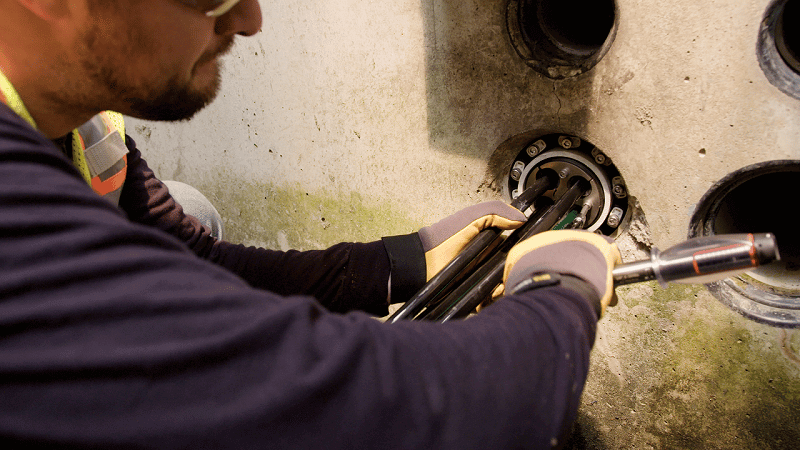
Building safety goes way beyond simple maintenance. Our work in duct sealing has shown that proper sealing protects buildings and occupants from serious safety hazards.
Safety Risk Mitigation
Our safety assessments show that unsealed ducts create dangerous situations, especially when it comes to fire spread and toxic gas circulation. Fire safety data reveals that temperatures in unsealed ducts can reach up to 800°C during a fire. Proper sealing is a vital part of containing flames and smoke.
We have found several major safety risks that proper duct sealing helps prevent:
- Toxic gas backdrafting from appliances
- Fire spread through ductwork
- Smoke circulation during emergencies
- Carbon monoxide risks
Our tests confirm that properly sealed ducts can provide up to 4 hours of fire resistance. This is a big deal as it means that building safety improves substantially during emergencies.
Safety Compliance Requirements
We help building owners comply with the International Mechanical Code (IMC), which sets specific requirements for duct sealing. Building codes now have stricter requirements that include:
Key Compliance Updates:
- Clothes dryer exhaust terminals must be at least 3 feet from building openings
- Fire and smoke dampers require approved access for inspection and maintenance
- Specific smoke and flame index limits for foam applications
Buildings with properly sealed ducts meet or exceed these safety standards consistently. Our testing protocols verify that sealing materials meet UL approval requirements and follow manufacturer specifications.
Safety Inspection Protocols
Our inspection process follows industry-best practices to maximize safety and compliance. We conduct full assessments with specialized equipment to spot potential hazards and leakage points before starting any sealing work.
The inspection process has:
- Original airflow measurement at each register using powered flow hoods
- Leakage testing according to RESNET Standard Chapter 8
- Verification of proper sealing material application
- Post-sealing performance testing
We employ UL-approved mastic and specialized sealants designed specifically for fire resistance. These materials maintain their integrity even in extreme conditions and provide vital protection during emergencies.
Regular maintenance inspections show that sealed ducts reduce fire spread risk between building compartments substantially. This matters most in commercial and multi-unit residential buildings where fire containment is essential.
We run specialized smoke testing to verify seal integrity and maintain duct pressure between 25 and 50 Pa during testing. This approach helps us find and seal all available leaks, which gives complete protection against safety hazards.
Buildings with properly sealed ducts perform better in fire safety inspections and maintain higher safety ratings. Professional duct sealing protects property and saves lives by stopping smoke and toxic gasses from spreading during emergencies.

Our work in duct sealing shows environmental benefits that go well beyond single buildings. We carefully analyzed and monitored how proper duct sealing helps the environment in several ways.
Carbon Footprint Reduction
Our experience with duct sealing solutions shows that 20-30% of conditioned air escapes through duct leaks. This wastes energy and creates unnecessary carbon emissions. Buildings that seal these leaks see immediate improvements in energy efficiency. Many cut their heating and cooling costs by up to 20%.
Proper duct sealing creates a chain of positive environmental effects:
- Lower power plant emissions from reduced energy use
- Less environmental damage from shorter HVAC runtime
- Less manufacturing waste through longer equipment life
- Fewer resources needed for system maintenance
Each kilowatt-hour saved through duct sealing cuts greenhouse gas emissions. Buildings use much of the world’s energy, making this especially important.
Environmental Certification Benefits
Duct sealing is a vital part of getting environmental certifications. The process helps buildings meet sustainable development goals (SDGs) and get LEED certification.
Buildings we’ve worked with have achieved:
- LEED certification points through better energy efficiency
- Full compliance with local environmental rules
- Duct leakage reduction up to 95%
- Clear sustainability improvements
Our sealing process uses non-toxic sealants that meet environmental standards and deliver results. This gives both quick and lasting environmental benefits.
Sustainability Metrics
We track how our duct sealing projects help the environment. The Lawrence Berkeley National Laboratory found that 25% of heating and cooling energy gets wasted through duct system losses. Our solutions fix this waste directly.
We watch these key sustainability metrics:
| Metric |
Typical Improvement |
| Energy Consumption |
20-30% reduction |
| System Efficiency |
Up to 95% leakage reduction |
| Carbon Emissions |
Proportionate to energy savings |
| Equipment Lifespan |
Extended by reduced wear |
These improvements usually pay for themselves within three years through energy savings. Research from the National Renewable Energy Laboratory and U.S. Department of Energy backs up our findings about duct sealing’s value as an environmental measure.
We take a complete approach to sustainability and check results regularly. Special testing equipment helps us measure and record system improvements. This evidence-based method proves environmental benefits through real results.
The Environmental Protection Agency says proper duct sealing helps reduce smog, acid rain, and climate change. These benefits grow across communities as more buildings seal their ducts properly.
Our years of experience with professional duct sealing solutions have shown remarkable improvements in occupant health. The detailed approach we take to duct sealing has shown its vital role in protecting building occupants from health risks.
Health Risk Prevention
Our documentation shows that leaky ducts can affect respiratory health when contaminants enter your building’s air supply. Tests reveal that unsealed ducts can increase exposure to airborne pollutants by up to 30%. Proper duct sealing helps buildings reduce these common health issues:
- Eye, nose, and throat irritation
- Respiratory discomfort and asthma symptoms
- Sinus congestion and allergic reactions
- Fatigue and headaches from poor air quality
Proper duct sealing plays a vital role in preventing harmful substances from circulating. Sealed ducts reduce exposure to various particulate matter, including PM1, PM2.5, and PM10 concentrations, which affect respiratory health.
Health Compliance Standards
Building owners need to meet strict health and safety regulations. We use detailed protocols that protect occupants during and after the duct sealing process:
- Installation of filters over supply and return grills
- Scheduling work during unoccupied hours
- Using containment barriers and proper ventilation equipment
- Avoiding harmful biocides and sealants
Tests confirm that properly sealed ducts reduce the risk of backdrafting substantially, which can draw harmful gasses back into living spaces. This protection becomes especially important when maintaining healthy indoor air quality and preventing exposure to toxic substances.
Health Monitoring Systems
We’ve created advanced monitoring systems that track air quality improvements after duct sealing. Our advanced sensors provide immediate updates on:
| Monitoring Parameter |
Benefits |
| Particulate Matter |
Tracks allergen levels |
| VOC Levels |
Monitors chemical exposure |
| CO2 Concentration |
Ensures proper ventilation |
| Humidity Levels |
Prevents mold growth |
Our Air Duct IAQ System monitors both return and supply ducts to give a full picture of air quality management. This dual monitoring approach helps us:
Verify Filtration Effectiveness:
- Monitor filtered air quality before distribution
- Track overall system performance
- Identify potential contamination sources
- Ensure consistent air quality throughout the building
Traditional IAQ devices often have limitations due to their location, but our duct-mounted systems provide better accuracy in measuring overall air quality. This detailed monitoring helps maintain optimal indoor air quality and protects occupant health effectively.
Regular assessments of air quality metrics and system performance form part of our health monitoring protocols. Buildings with properly sealed ducts and monitoring systems show substantial improvements in indoor air quality. Some facilities report up to 80% reduction in airborne contaminants.
Quick identification and resolution of potential issues happen through continuous monitoring before they affect occupant health. This proactive approach becomes vital for maintaining healthy indoor environments, especially in buildings where people spend much of their time indoors.

Building code compliance plays a vital role in our duct sealing work. Proper duct sealing goes beyond energy efficiency. Many jurisdictions have made it a legal requirement. Our years of experience have helped us develop complete strategies that meet all relevant codes and standards.
Building Code Requirements
The International Energy Conservation Code (IECC) demands sealed ducts in all locations, whatever their placement. Our team seals all joints and seams on air handlers, filter boxes, plenums, trunks, and boots with approved materials.
The code requirements we deal with regularly include:
- Maximum allowable total duct leakage of 4 CFM per 100 square feet with installed air handler
- Reduced leakage threshold of 3 CFM per 100 square feet without air handler
- Minimum pressure testing at 25 Pascals for all ductwork
Using UL-listed materials is significant to stay compliant. Acceptable sealants in our work include:
- UL-listed tapes
- Mastics
- Liquid sealants
- Gasketing
- Spray polyurethane foam
Compliance Documentation
Our documentation process meets every regulatory requirement. We keep detailed records of all our duct sealing work. Experience has taught us that proper documentation prevents legal issues and fines.
Our essential documentation includes:
- Original system assessment reports
- Pressure test results at 25 Pascals
- Photographic evidence of sealed connections
- Material certification records
- Post-sealing performance measurements
Specialized diagnostic tools help us measure air leakage accurately. Our testing protocols meet or exceed local and national standards and provide complete proof of compliance.
Inspection Preparation
Years of experience with building codes have helped us develop a systematic approach to inspections. Our pre-inspection checklist helps clients pass regulatory reviews consistently.
| Inspection Area |
Our Preparation Steps |
| Access Points |
Clear path to all ductwork |
| Documentation |
Organized testing results |
| System Status |
Operational readiness check |
| Safety Measures |
All protocols in place |
Our pre-inspection phase involves complete system checks. This includes:
- Verifying all seals and connections
- Testing system pressure
- Checking filter conditions
- Ensuring proper documentation is readily available
Buildings pass inspections first time more often with proper preparation. Buildings with properly sealed ducts meet or exceed code requirements consistently. This improves your building’s value and appeal to potential buyers.
Our expertise covers code requirements for buildings of all types. Manufactured homes need specialized standards, including proper sealing of crossover ducts. Commercial buildings require strict protocols for testing and documentation, especially for systems serving areas over 5,000 square feet.
HERS raters or BPI-certified technicians verify our certification process. Detailed records of all testing procedures and results stay available for current compliance and future reference.
Comparison Table
| Aspect |
Key Benefits |
Measurable Impacts |
Compliance Standards |
Testing/Monitoring Methods |
| Indoor Air Quality Boost |
– Removes pollutants and contaminants
– Stops allergen circulation
– Keeps humidity stable |
– 80% improvement in system cleanliness
– 30% reduction in escaped conditioned air |
ASHRAE 62.2 standards |
– Before-and-after evaluations
– Air quality tests
– System cleanliness checks |
| Building Safety Improvement |
– Stops fire spread
– Limits toxic gas circulation
– Reduces carbon monoxide risks |
– Up to 4 hours of fire resistance
– Protection against 800°C temperatures during fires |
– International Mechanical Code (IMC)
– UL approval requirements |
– Airflow checks
– Leakage tests
– Smoke testing methods |
| Environmental Effects |
– Cuts energy waste
– Reduces HVAC runtime
– Extends equipment life |
– 20-30% reduction in energy consumption
– Up to 95% reduction in duct leakage
– 25% reduction in heating/cooling waste |
– LEED certification requirements
– Local environmental codes |
– Energy use tracking
– System efficiency checks
– Carbon emissions tests |
| Occupant Health Protection |
– Lowers respiratory issues
– Blocks allergen circulation
– Reduces irritant exposure |
– 30% reduction in airborne pollutant exposure
– Up to 80% reduction in airborne contaminants |
Health and safety regulations for indoor air quality |
– Particulate matter checks
– VOC level monitoring
– CO2 concentration tests |
| Code Compliance |
– Meets legal requirements
– Boosts building value
– Prevents risks |
– Max 4 CFM leakage per 100 sq ft with handler
– Max 3 CFM leakage per 100 sq ft without handler |
– International Energy Conservation Code (IECC)
– UL listing requirements |
– Pressure testing at 25 Pascals
– System performance checks
– Documentation updates |
Conclusion
Professional duct sealing is a vital investment that brings multiple benefits to your building’s performance. Our testing shows that properly sealed ducts save 20-30% on energy costs and substantially improve indoor air quality and occupant health.
Sealed ductwork makes buildings safer by preventing fire spread. Data from thousands of projects shows it reduces environmental impact through lower energy use and blocks up to 80% of airborne contaminants. These advantages lead to lower utility bills and increased property value.
Building owners who make duct sealing a priority meet current code requirements and stay ahead of evolving standards. Sealed duct systems continue to deliver these benefits year after year with proper maintenance and regular inspections. This makes them one of the most budget-friendly building improvements available.
Duct sealing goes beyond fixing leaks – it creates healthier, safer, and more efficient buildings that protect both occupants and investments for years to come.
FAQs
Q1. What are the main advantages of duct sealing?
Duct sealing offers multiple benefits, including improved indoor air quality, enhanced energy efficiency, reduced utility costs, better temperature control, and increased overall comfort in buildings. It also helps prevent pollutants from circulating through the HVAC system.
Q2. How does duct sealing impact building safety?
Proper duct sealing significantly improves building safety by preventing fire spread, reducing toxic gas circulation, and minimizing carbon monoxide risks. Sealed ducts can provide up to 4 hours of fire resistance, offering crucial protection during emergencies.
Q3. Can duct sealing help reduce a building’s environmental impact?
Yes, duct sealing can substantially reduce a building’s environmental impact. It typically results in a 20-30% reduction in energy consumption, decreases HVAC system runtime, and extends equipment lifespan. This leads to lower carbon emissions and contributes to sustainability goals.
Q4. How does duct sealing affect occupant health?
Duct sealing plays a crucial role in protecting occupant health by reducing exposure to airborne pollutants by up to 30%. It helps prevent the circulation of allergens, minimizes irritant exposure, and can lead to up to an 80% reduction in airborne contaminants, improving overall indoor air quality.
Q5. Is duct sealing required for code compliance?
Yes, duct sealing is often required for code compliance in many jurisdictions. Building codes typically mandate maximum allowable duct leakage rates and require pressure testing. Proper duct sealing ensures compliance with these standards, potentially enhancing building value and preventing legal issues.